


Biography


Exhibitions
Solo Exhibitions
-
2005
Gallery Art Point, Tokyo, Japan (’06)
-
2007
Art Space Rashinban, Tokyo, Japan
-
2009
K’s Gallery, Tokyo, Japan (’10, ’11, ’12, ’13, ’14, ’15, ’16, ’17, ’18, ’19, ’20, ’22)
-
2016
Gallery KITAI, Tokyo, Japan (’18, ’22)
-
2017
L’ESPOIR 2017, Ginza Surugadai Gallery, Tokyo, Japan
Japan Information and Cultural Center of the Embassy of Japan, Brussels
-
2018
Takashimaya Shinjuku, Tokyo, Japan
Tamashin Gallery, Tokyo, Japan
-
2020
FUJI GALLERY SHINJUKU, Tokyo, Japan
-
2023
Takashimaya Osaka Gallery NEXT, Osaka, Japan
Takashimaya Kyoto, Kyoto, Japan
-
2024
Gallery DAISEN, Osaka, Japan
-
2025
OSAKA INTERNATIONAL ART, Osaka-Jo Hall, Osaka, Japan
SOGO Hiroshima 8F Art Gallery
-
2026
The Light Within—Chiko Takei Solo Exhibition, Art Fair Tokyo, Japan
Group Exhibitions
-
2004
Gallery Ginza Forest, Tokyo, Japan
-
2008
Rashinban Selection, A variety of Japanese paintings vol.2, Art Space Rashinban, Tokyo, Japan
-
2009
Future Abstract Art Exhibition vol.4, SPACE ZERO / K’s Gallery, Tokyo, Japan (’10, ’11)
-
2010
Rashinban Selection 2010 VOL.1 Promising Women Artists, Art Space Rashinban, Tokyo, Japan
Natsu no Yume・Shinjuku no Uta, Gallery M, Tokyo, Japan
ARTFILE EXHIBITION vol.8, PoRtoLibRE, Tokyo, Japan (’11,’12)
-
2011
Allmage Les jeune, K’s Gallery, Tokyo, Japan
International Art Exhibition Enchantment in Tokyo, Art Space Rashinban, Tokyo, Japan
-
2012
Sanae Yamada, Kyoko Momosaki, Chiko Takei, Gallery Kingyo, Tokyo, Japan
TAO 2012, Chikyudo Gallery, Tokyo, Japan (’13, ’14, ’15,’16)
Oko Toyosaki, Chiko Takei, K’s Gallery, Tokyo, Japan
-
2013
ART ENERGY, Yoyogi Art Gallery, Tokyo, Japan
OKUHATSU 03, Gallery KITAI, Tokyo, Japan
-
2014
SUMI_ISM#4, Gallery KITAI, Tokyo, Japan (’15)
RETURN EXHIBITION, K392 Gallery, Tokyo, Japan
-
2016
Eight Artists, Ginza Surugadai Gallery, Tokyo, Japan
Grand Opening SUMI_ISM #6, Gallery KITAI, Tokyo, Japan
OSHIROI-TSUKI, The Artcomplex Center Tokyo, Japan
-
2017
SILENT, The Artcomplex Center Tokyo, Japan
The 1st KARMA&TAO, Gallery Akatsuki, Tokyo, Japan (’18, ’19, ’22)
Artist Group Kaze, Tokyo Metropolitan Art Museum, Tokyo, Japan (’19, ’20, ’21)
KASHINFU Artist Group Kaze, Takashimaya Nihonbashi (’18, ’20, ’21, ’22)
-
2018
JUNKO MASUMOTO+CHIKO TAKEI, K’s Gallery, Tokyo, Japan
-
2019
L’ESPOIR DECADE 2008-2018, Ginza Surugadai Gallery, Tokyo, Japan (’20, ’21, ’22, ’23)
CHIKO TAKEI+SHINGO FUSE, Ginza Surugadai Gallery, Tokyo, Japan
-
2021
FUJI GALLERY SHINJUKU@JR Nagoya Takashimaya, Nagoya, Japan
NIHONGA en, The Museum of Kyoto, Kyoto, Gallery DAISEN, Osaka, Japan (’22)
Meiko Kinoshita × Chiko Takei NIHONGA, Tokyu Department Store Tama-Plaza, Yokohama, Japan
Six Artists, Ginza Surugadai Gallery, Tokyo, Japan
-
2022
MYAKUDO: 5 Nihonga Artists, Gallery DAISEN, Osaka, Japan (’23, ’24)
SEN × NIHONGA en, Kyoto City KYOCERA Museum of Art, Kyoto, Japan
NIHONGA en, YUGEN Gallery, Tokyo, Japan
Smash Hits 02 from ONBEAT, YUGEN Gallery, Tokyo, Japan
-
2023
Visions of the Sky, Kanata at Didier Aaron New York, USA
MYAKUDO ll: Nihonga, Gallery DAISEN, Osaka, Japan
Beyond the Abstract World: From Yufuku to Kanata, A Lighthouse called Kanata, Tokyo, Japan
The Treasure House Fair, London, UK (’24, ’25)
Seattle Art Fair, USA (’24, ’25)
NIHONGA en, The Sato Museum of Art, Tokyo, Japan
SHIBUYA SELECTED 5, Shibuya Hikarie, Tokyo, Japan
West Bund Art and Design, Shanghai, China (’24, ’25)
Art Miami, USA
-
2024
Art SG, Singapore (’25, ’26)
TEFAF Maastricht, The Netherlands (’25, ’26)
INFINI – Infinity in Material, A Lighthouse called Kanata, Tokyo, Japan
Taipei Dangdai, Taiwan (’25)
A PRELUDE TO MIDSUMMER – A Kanata Summer Exhibition, A Lighthouse called Kanata, Tokyo, Japan
Tokyo Gendai, Japan (’25)
The Armory Show, New York, USA (’25)
The Elemental II – Music of the Spheres, A Lighthouse called Kanata, Tokyo, Japan
Yamatane Museum of Art NIHONGA AWARD: Seed 2024― Meet the Future of Nihonga ―, Yamatane Museum of Art, Tokyo, Japan
NIHONGA en, Kyoto City KYOSERA Museum of Art, Kyoto, Japan
Correspondence, Yokohama Takashimaya, Japan
FAB Paris, France (’25)
-
2025
ZONA MACO, Mexico (’26)
EXPO Chicago, USA (’26)
Frieze Seoul, Seoul, Korea
OPENING CEREMONY II, A Lighthouse called Kanata, Tokyo, Japan
Art Collaboration Kyoto, Kyoto International Conference Center, Japan
-
2026
Art Basel Hong Kong, Hong Kong
Awards
1999 Selected, The 10th Garyuzakura Japanese Painting Exhibition
Selected, The 13th Aogaki 2001 Japanese Painting Exhibition
2000 Selected, The Garyuzakura Japanese Painting Exhibition (’01)
2016 Selected, The 34th Ueno Royal Museum Grand Prize Exhibition
2017 The Artist Group Kaze Award (’19, ’20, ’21)
Selected, The Biennale OME 2017
2024 Selected, Yamatane Museum of Art NIHONGA AWARD: Seed 2024― Meet the Future of Nihonga ―
Public Collections
Public Collections
The Gérard and Dora Cognié Collection, Geneva, Switzerland
Commissioned Works
ANA Hotel
Hotel Okura Tokyo Bay
Hilton Tokyo Narita Airport Hotel
Rockbund Art Museum, Shanghai, China
武井地子
Chiko
Takei
Chiko
Takei


Takei
- Born in Tokyo
- Musashino Art University, BFA
- Lives and works in Tokyo
-
01 Exhibitions More
-
02 Awards More
-
03 Public Collections More
About
the ArtistAbout
the Artist

It is only by falling into darkness that one can reach for the light at the end of the tunnel. That distance, the gulf that divides us, will one day be bridged with light. And this great uniter may very well be the works of Chiko Takei. Her paintings are ethereal landscapes that are stark, monotone, and ultimately sublime odes to the changing seasons of human memory, a moment in time, an emotion that glimmers and fades like spring snow. The simple dichotomy of blacks and whites interspersed in her works are almost ascetic in their wintry tones, but it is this monotonal simplicity of colour and composition which Takei wields to utterly brutal effect.
What makes an individual, or rather, what makes an artist? Many a talented artist I have seen throughout the years fail by sheer talent alone. The same can be said for any profession, perhaps. No matter how nature has bestowed unparalleled talents on an individual at birth, success is not a given. And success, lest we forget, is but a brief respite from the eternal struggles of the day-to-day. “Success is not final; failure is not fatal: It is the courage to continue that counts,” said Winston Churchill. This adage has instilled within me a ray of hope in times of despair, a reason to not grow complacent when a goal has been fulfilled—ensuring that we persevere in humility as we grow into the gallery we dream to be.
Continuity is paramount. And there is a beauty to continuity, a poetry, if you will, that is often overlooked in the annals of history. The greatest battles are oft not won on a single given day, yet are a result of painstaking, behind-the-scenes efforts, of relentless toils built upon blood, sweat, and tears, that take months, if not years, to truly unfold and reveal the fruits of one’s labours. Much like a grand old pine centuries old, the tree matures incrementally, invisible to the human eye, indiscernible yet irrefutably grander by the day. And we gauge success not by trophies or accolades, sales or monetary security, but by how we are remembered and judged by the eyes of tomorrow.
In this light, the works of Chiko Takei shine brighter exactly because of the many years of continuously pursuing the creation of works that she believed in. And like an iridescent diamond cut from rough stone, it is through the polishing of technique, the meticulous repetition of a single act of devotion to one’s belief, that can heighten and elevate a work to something beautiful. And the truth will always shine through. It is a light that resonates with those who can see things for what they are. This light from within, then, shimmers incandescently within the work of Chiko Takei. In her paintings, one can see a purity, an innocence, a glow that can only emerge from the depths of darkness, a light that has been polished from years of unseen toils in the shadows.
Unlike many of her contemporaries, Chiko Takei was not born to wealth. Rather, she was born and raised in Tokyo by a single mother, growing up as one of five siblings. Perhaps, then, it was only natural that the five children would not only help with day-to-day chores but would do odd jobs at an early age to help the household. And it was her tireless mother, in fact, who inspired Takei to paint, as she herself had aspired to be an artist during her youth. Perhaps it is only fitting to find that Takei’s mother currently assists her daughter in the studio with simple tasks such as helping to cut or mount her washi paper.


Disillusioned with student life, Takei stopped going to school, instead taking it upon herself to study Nihonga on her own accord. This self-imposed reclusion would be the impetus for Takei’s individualism that we see today—her freedom from the constraints of the conservative genre of Nihonga, a subsection of Japanese art that continues to promote the figurative over both innovation and abstraction. Takei’s works, on the other hand, have proven to be the antithesis to Japan’s inability to emancipate itself from the shackles of staid tradition.
Instead, Takei’s paintings in Nihonga are a mesmerising kaleidoscope of blacks and whites that coalesce into riveting inner landscapes that express a world within. Yet these powerful brushstrokes are far from spontaneity. The artist creates her large- scale paintings using various painstaking traditional techniques associated with Nihonga, yet in an extremely progressive manner that helps push the genre forward into the 21st century. For example, Takei uses a sizing technique that allows for the artist to control the seemingly random patterns that emerge from her black inks, calculating in advance where her blacks begin and end. Further, she uses the traditional technique of ura-zumi, wherein the back of her washi paper is also painted, thereby allowing for her inks to emerge from both sides of the paper. The oxidized silver and platinum leaf at the centre of her paintings are also one of the artist’s trademarks, as well as the rippled textures of the paper created by hand- pinching the paper itself, a technique called te-momi. Ultimately, Takei wields a multitude of complex techniques to create viscerally powerful movements that exemplify the self-trained painter’s eye for composition, detail, and technique.
This signature style of Takei’s, as encapsulated by her in white series, was first created 5 years after graduating from university. Since her early days in college, the artist had painted not in abstraction but in the figurative. Little is it known outside of Japan that virtually all artists majoring in Nihonga are instructed, or rather, visibly forced, to paint in the figurative, as the long-held narrative in the realm of Nihonga was to paint a world of “kacho-fugetsu” (flowers, birds, wind and moon) that represented an appreciation of nature’s transient beauty as expressed through literal representations of nature. The pursuance of abstraction was not only out of the question, but virtually suicidal if one wanted to make a living selling their works within the Japanese market. And like many struggling young artists in Japan, Takei would pay galleries to rent their space to hold her yearly solo exhibitions of solely figurative works. “Don’t think you’ll ever make it in this world by painting what you really want to paint,” said an overtly cynical gallerist to the artist during such dark days.

Day and night, the artist would work from job to job to make ends meet. Working at a Toyota dealership from 9 to 5, then working at a café in Marunouchi from 6 to midnight. Takei would rush to catch the last train home, and upon returning from a full day and a half of working, she would begin to paint in white. This daily ritual lasted for nearly 25 years until the artist’s debut at A Lighthouse called Kanata in 2023, as Takei’s works quickly captivated audiences the world over with the body of work that she had long focused on — in white. The world had been waiting for Chiko Takei. Like a calling, perhaps the artist knew all along that her works would one day resonate with the world, and it simply took the world 25 years to catch up with Takei. But to imagine the will, the determination, the perseverance of an artist who could continue to paint with such singular devotion and belief until the day that her works would be recognised — this, I believe, is simply inspiring. That Churchill quote again comes to mind. “Success is not final; failure is not fatal: It is the courage to continue that counts.” And what courage indeed.
Perhaps it can be said that the one work that captures the in white series in all its resplendent splendour is the commissioned work in white #350 that Takei had painted for the offices of the Rockbund Museum in Shanghai, a 7-meter-long and 2-meter-tall work comprised of 6 panels that the artist completed and installed in early 2024. It is the culmination of Takei’s many years of working on a single theme: it is this focus, this scrupulous attention to detail, the intensity and grace that can only emerge from devoting one’s self to one’s aesthetic muse for days, weeks, months, and years, that is evident in this masterpiece. It is the largest work that Takei has ever painted, and much like the artists Sueharu Fukami in celadon, Nobuyuki Tanaka in lacquer, or Satoru Ozaki in stainless steel, it can be said that this relentless pursuit of beauty within a certain style or medium ultimately pushes the boundaries of a given material to great new heights.
Yet one must also remember that Takei’s vision is far from one-dimensional. A new series was born in 2025, wherein not paper but brass and tin leaf are used as the backdrop for her paintings. This new body of work, first exhibited at the EXPO CHICAGO art fair in April of 2025, has fast become her hottest ticket, and rightfully so. They represent a stylistic maturation of her many years of working on the in white series, her technical abilities honed and elevated to a point where the vibrance of her painting can be transposed upon the tricky material that is metal leaf. There is a luminescence in these works that adds another layer of depth to the artist’s oeuvre, an element of the sublime that is ultimately transcendent. How aptly named, then, to find that the artist has named this new series glimmer. Indeed, Takei has found a new light from within.
A Lighthouse called Kanata is proud to hold Chiko Takei’s first solo exhibition with the gallery at our stand at Art Fair Tokyo this March 2026. Takei has created a compelling body of work that evidences her singular pursuit of beauty through her materials as her principal muse, the depths of her charcoal black ink, the matte white of her seashell powder, the rustic tones of her oxidised leaf, and the very textures of her washi paper, all coalescing into the unified vision of her solemnly stark paintings. Through years of wandering in darkness, the light of Chiko Takei has never shone so brightly.
WorksWorks
-
 glimmer #33 (2026)
 -
 in white #390 (2026)
 -
 in white #392 (2026)
 -
 in white #391 (2026)
 -
 glimmer #15 (2026)
 -
 glimmer #17 (2026)
 -
 glimmer #18 (2026)
 -
 glimmer #9 (2026)
 -
 in white #389 (2026)
 -
 in white #344 (2024)
 -
 in white #380 (2026)
 -
 in white #377 (2026)
 -
 glimmer #8 (2026)
 -
 in white #378 (2026)
 -
 glimmer #10 (2026)
 -
 glimmer #11 (2026)
 -
 in white #379 (2026)
 -
 glimmer #12 (2026)
 -
 glimmer #6 (2025)
 -
 in white #376 (2025)
 -
 glimmer #5 (2025)
 -
 glimmer #4 (2025)
 -
 in white #375 (2025)
 -
 in white #371(2025)
 -
 glimmer #3 (2025)
 -
 in white #372 (2025)
 -
 glimmer #2 (2025)
 -
 glimmer #1 (2025)
 -
 in white #363 (2025)
 -
 in white #362 (2024)
 -
 in white #361 (2024)
 -
 in white #360 (2024)
 -
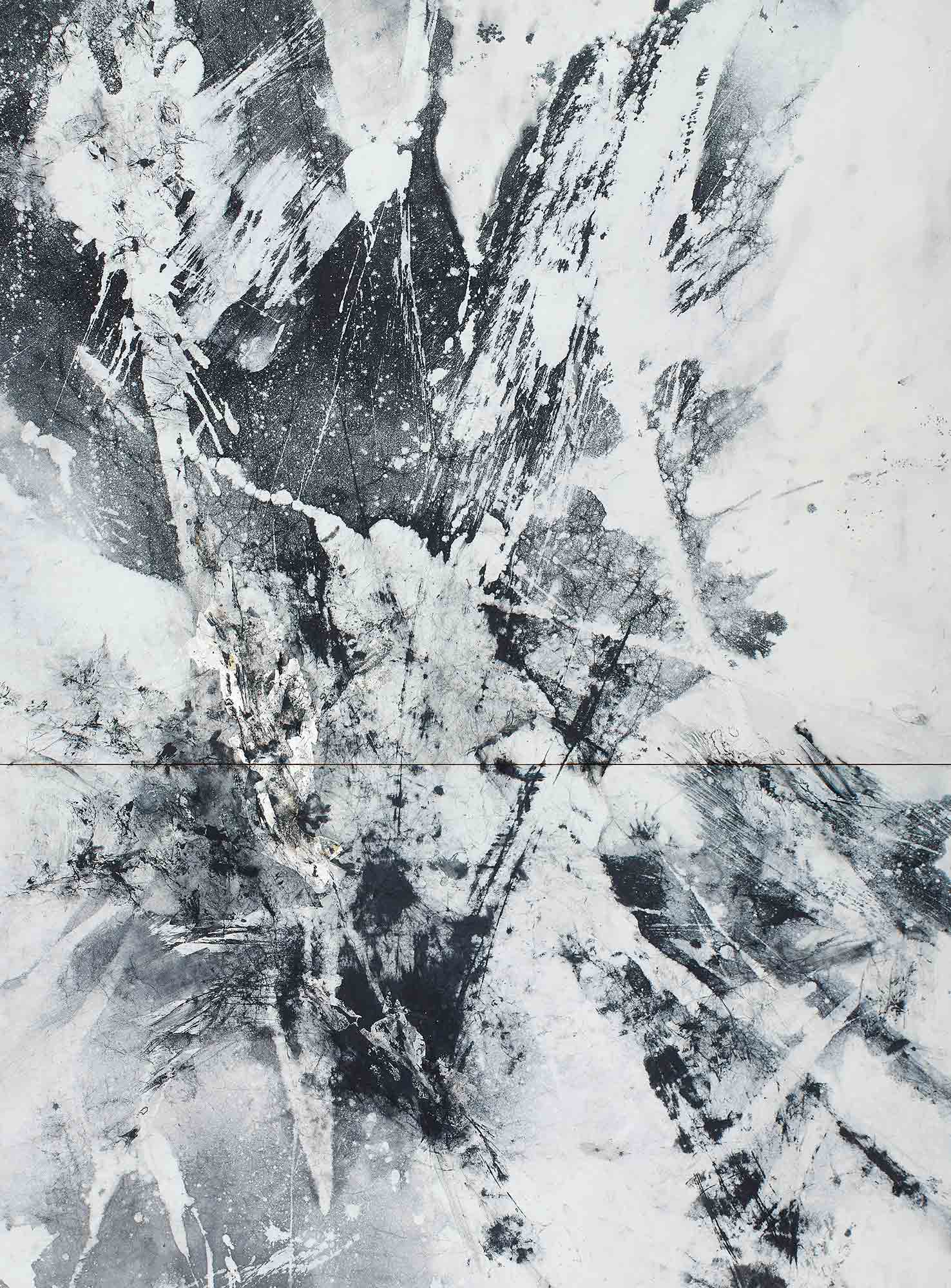 in white #355 (2024)
 -
 in white #359 (2024)
 -
 in white #358 (2024)
 -
 in white #357 (2024)
 -
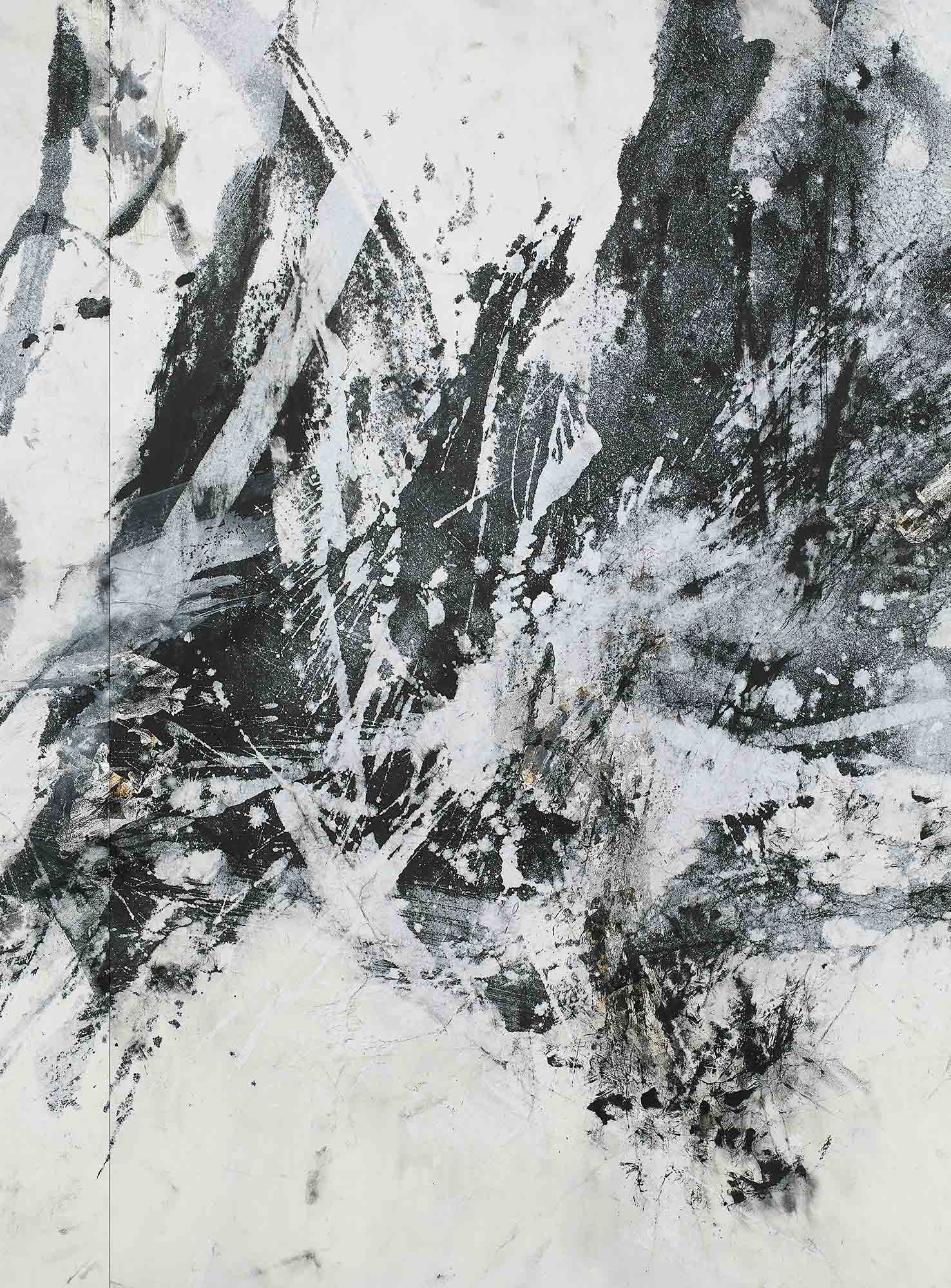 in white #356 (2024)
 -
 in white #350 (2024)
 -
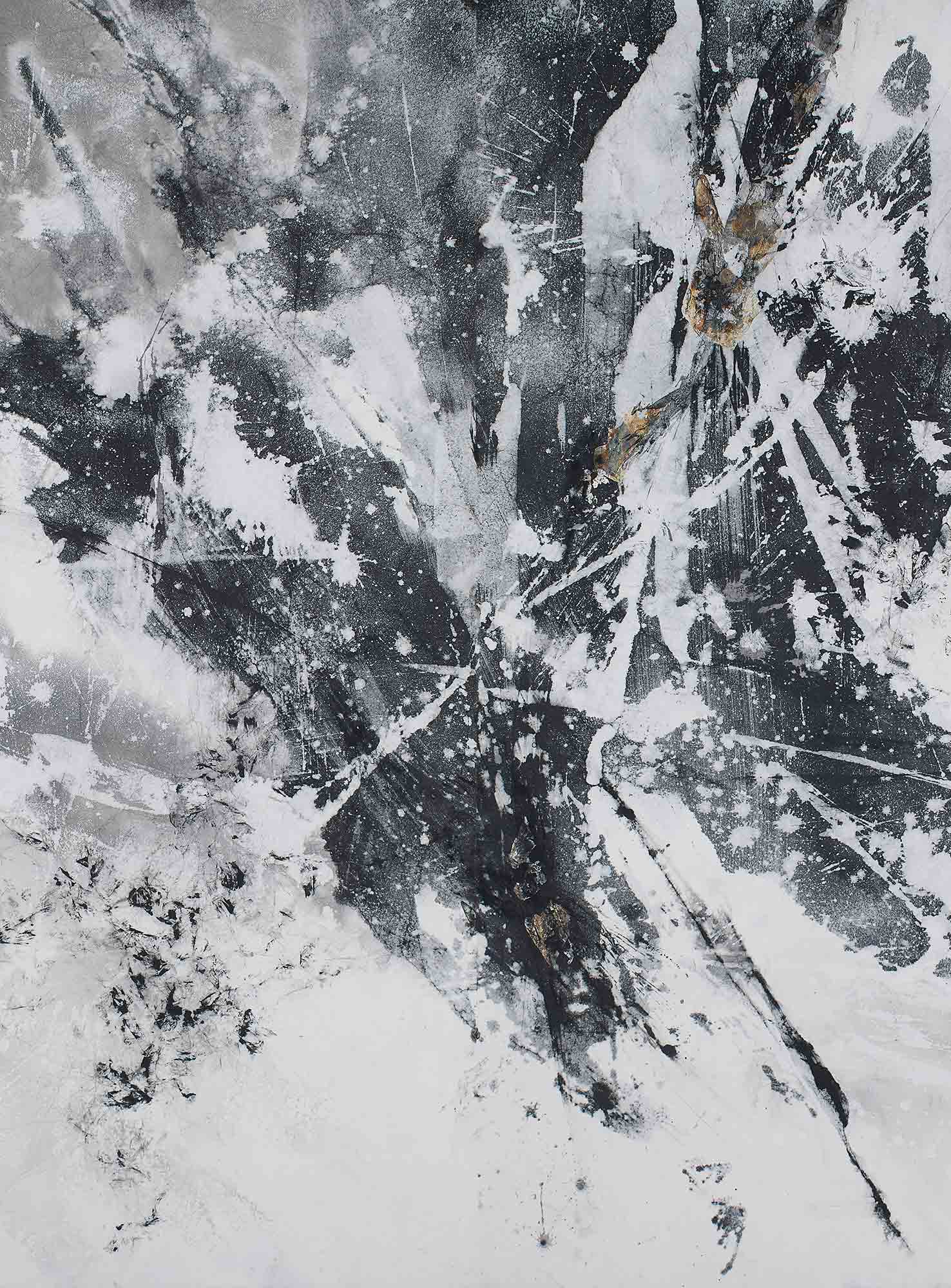 in white #347 (2024)
 -
 in white #346 (2024)
 -
 in white #345 (2024)
 -
 in white #340 (2024)
 -
 in white #338 (2024)
 -
 in white #337 (2024)
 -
 in white #336 (2024)
 -
 in white #335 (2024)
 -
 in white #334 (2024)
 -
 in white #333 (2024)
 -
 in white #332 (2024)
 -
 in white #331 (2024)
 -
 in white #330 (2024)
 -
 in white #328 - undulation (2024)
 -
 in white #326 - echoes (2023)
 -
 in white #325 - resonance (2023)
 -
 in white #324 (2023)
 -
 in white #321 (2023)
 -
 in white #320 (2023)
 -
 in white #302 (2023)
 -
in white #297 (2023)
-
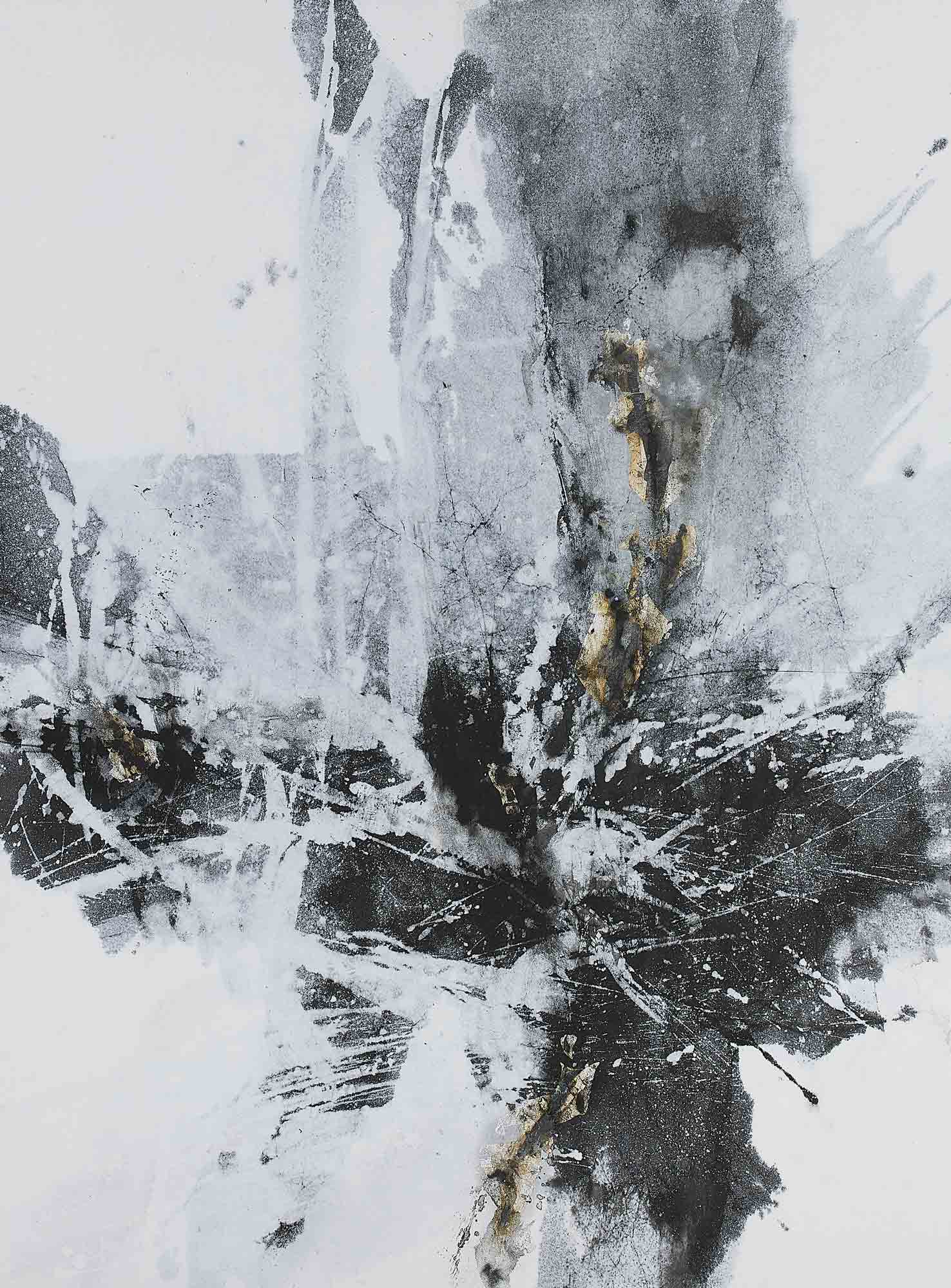 in white #291 (2023)
 -
 in white #280 - dawn (2023)
 -
 glimmer #13 (2026)
 -
 in white #388 (2026)
 -
 glimmer #16 (2026)